Recognizing Museum-Quality Portraits at a Haddonfield Studio
Museum-quality portraits are not about stiff smiles or matching outfits. They are about artwork that shows who people really are and that still feels beautiful many years from now. For families, couples, and professionals, this kind of portrait becomes part of a personal history, not just something that sits on a phone.
This guide explains what museum-quality means in portrait photography, how to spot it, and why it matters for anyone looking for a professional portrait studio in Haddonfield. It also shares how thoughtful planning, rigorous fine art training, and careful printing come together to create pieces worthy of a favorite wall at home.
What Sets Museum-Quality Portraits Apart
A quick snapshot captures a second in time. A true portrait is planned with care so that second feels graceful and meaningful. The difference shows up in how people stand, where the light falls, and what the viewer feels when looking at the final piece.
Museum-quality portraits usually share a few key traits:
- Intentional posing that feels natural, not stiff
- Lighting that flatters the face and shapes the figure
- Expressions that feel honest and connected
- Backgrounds and colors that support the subject instead of fighting for attention
Fine art principles, learned and refined through years of professional training, guide every choice. Balance keeps the portrait from feeling crowded on one side. Leading lines gently guide the eye to the face and then around the frame. Negative space gives breathing room so the subject stands out. A controlled color palette, from clothing to backdrop, brings a quiet sense of order and calm.
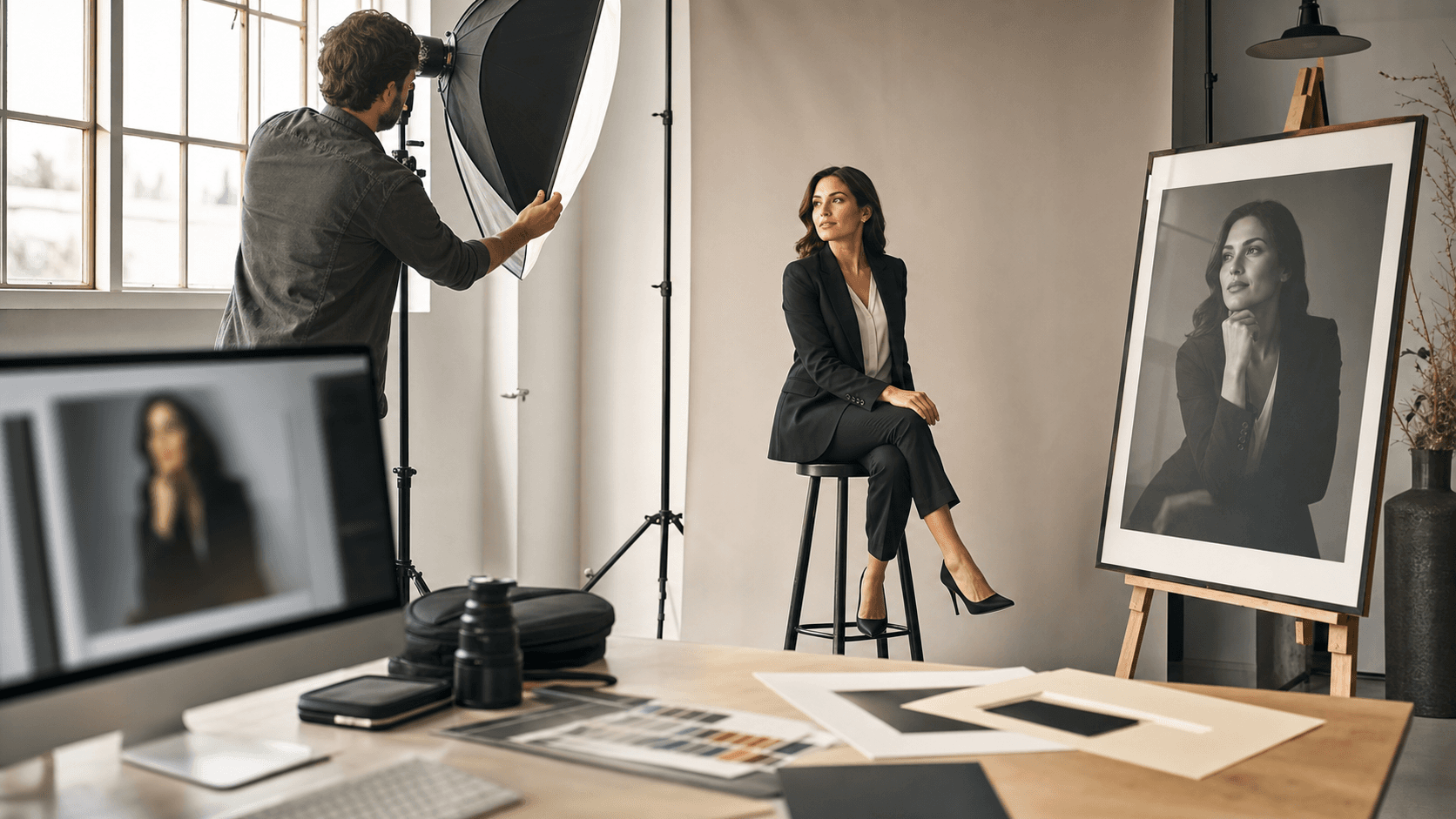
Lighting creates depth and dimension, much like classic painted portraits. Soft highlights and gentle shadows along the cheekbones, jawline, and hands suggest form and presence. When light is shaped with care, the subject looks three-dimensional, even on a flat print. The result is a portrait that feels calm, confident, and timeless instead of trendy or over-edited.
The Power of a Fine Art-Trained Portrait Artist
Fine art training changes how a portrait artist sees the world. Hours of study in art history, anatomy, and composition build a deep visual vocabulary. Instead of guessing what might look nice, every choice is made with purpose.
A seasoned portrait artist with a fine art background pays close attention to small details:
- How a tilt of the chin changes the mood
- How the angle of shoulders affects confidence or softness
- How the distance between people shows closeness in a family or couple
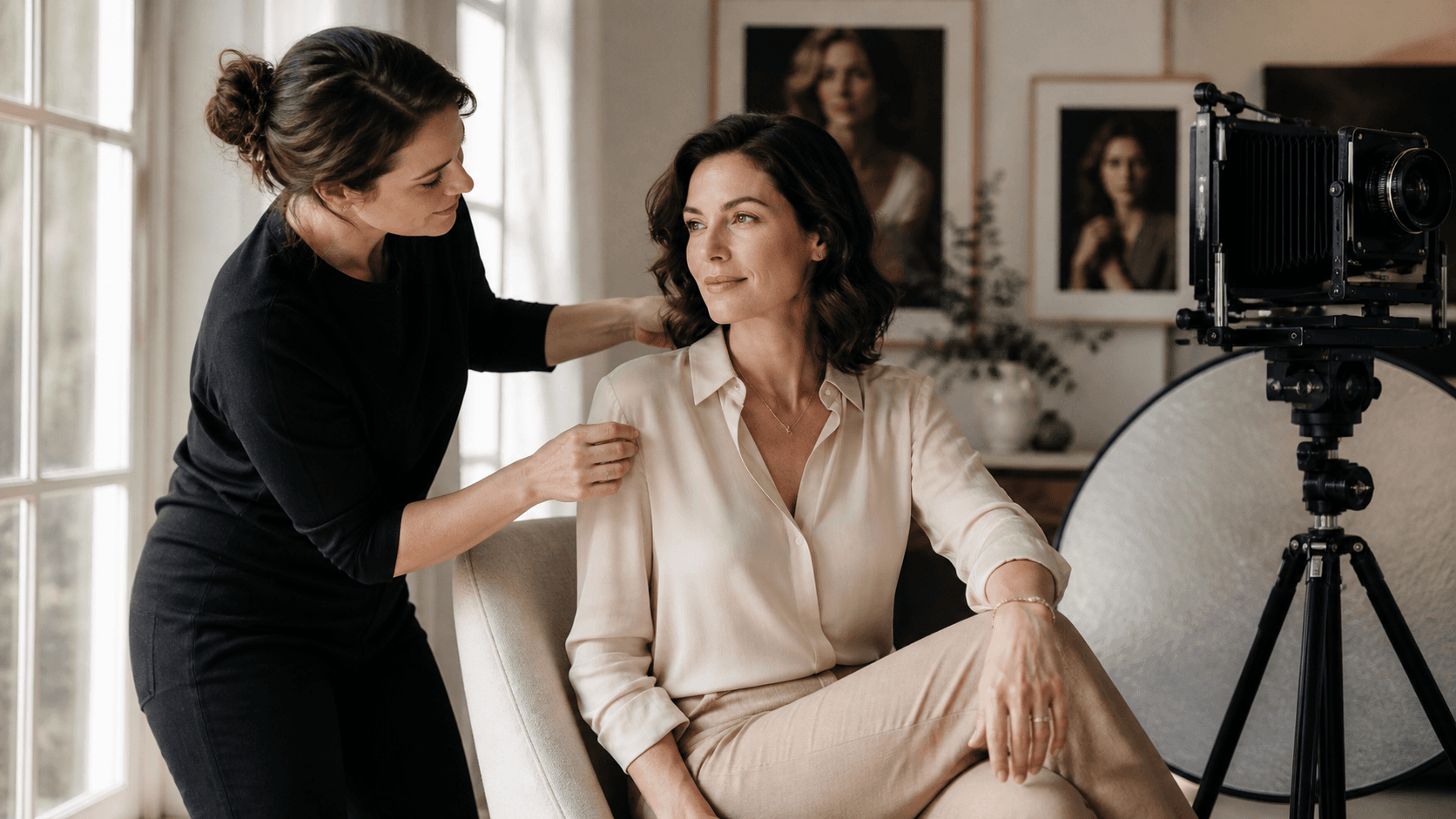
Body language, gestures, and expressions are quietly adjusted so the final image feels like the truest version of the person, not a stiff performance. This is especially helpful with children, teens, and anyone who feels uneasy in front of the camera.
Planning starts long before the shutter clicks. Wardrobe is chosen for color harmony and shape, not just style. Backgrounds are selected to match the mood and scale of the final artwork, such as a grand wall portrait in a living room or a refined piece for a professional office. The goal is to get it right in camera so the finished portrait looks polished without heavy retouching.
Experience inside a professional portrait studio in Haddonfield also matters. Different ages, body types, and personalities all need different posing and lighting approaches. A classically trained, seasoned artist knows how to adjust quickly so each person looks like themselves, only at their very best.
Materials and Craftsmanship That Stand the Test of Time
Museum-quality portraits are meant to be lived with, not swiped past on a screen. The materials chosen for printing and framing play a big part in how an image feels and how long it lasts.
Archival printing standards usually include:
- Pigment-based inks made for long-lasting color
- Museum-grade papers with a rich surface and fine detail
- Protective coatings that help resist fading and fingerprints
Mounting and framing protect the print and complete the artwork. Mass-produced frames are often not built to protect a fine print over many years. Custom framing is designed specifically for each piece, including choices like:
- Matting that gives the portrait space to breathe
- Glazing that reduces glare and shields from UV light
- Solid construction that keeps the artwork flat and secure
A dedicated fine art portrait studio oversees every step of production, from color proofing to final inspection. Under the guidance of a seasoned portrait artist, the goal is not just a pretty picture, but a physical piece that feels substantial in the hands and on the wall, with color and detail that hold up from room to room and year to year.
Evaluating a Professional Portrait Studio in Haddonfield
Choosing the right studio is easier when there is a clear idea of what to look for. A strong portfolio is a good starting point. Look for consistency in style and quality, not just a few lucky images. Skin tones should look natural, eyes should have clarity, and posing should feel relaxed but refined.
When visiting a studio, take time to notice:
- Large wall portraits on display
- Album samples with strong color and sharp detail
- How prints look under different types of light
Pay attention to how the artist talks about their background. Questions to ask might include:
- What kind of fine art training shaped their approach?
- How many years they have spent specializing in portraiture?
- How do they plan sessions so the final result feels like finished artwork?
- What is their process from first consultation to delivery of framed pieces?
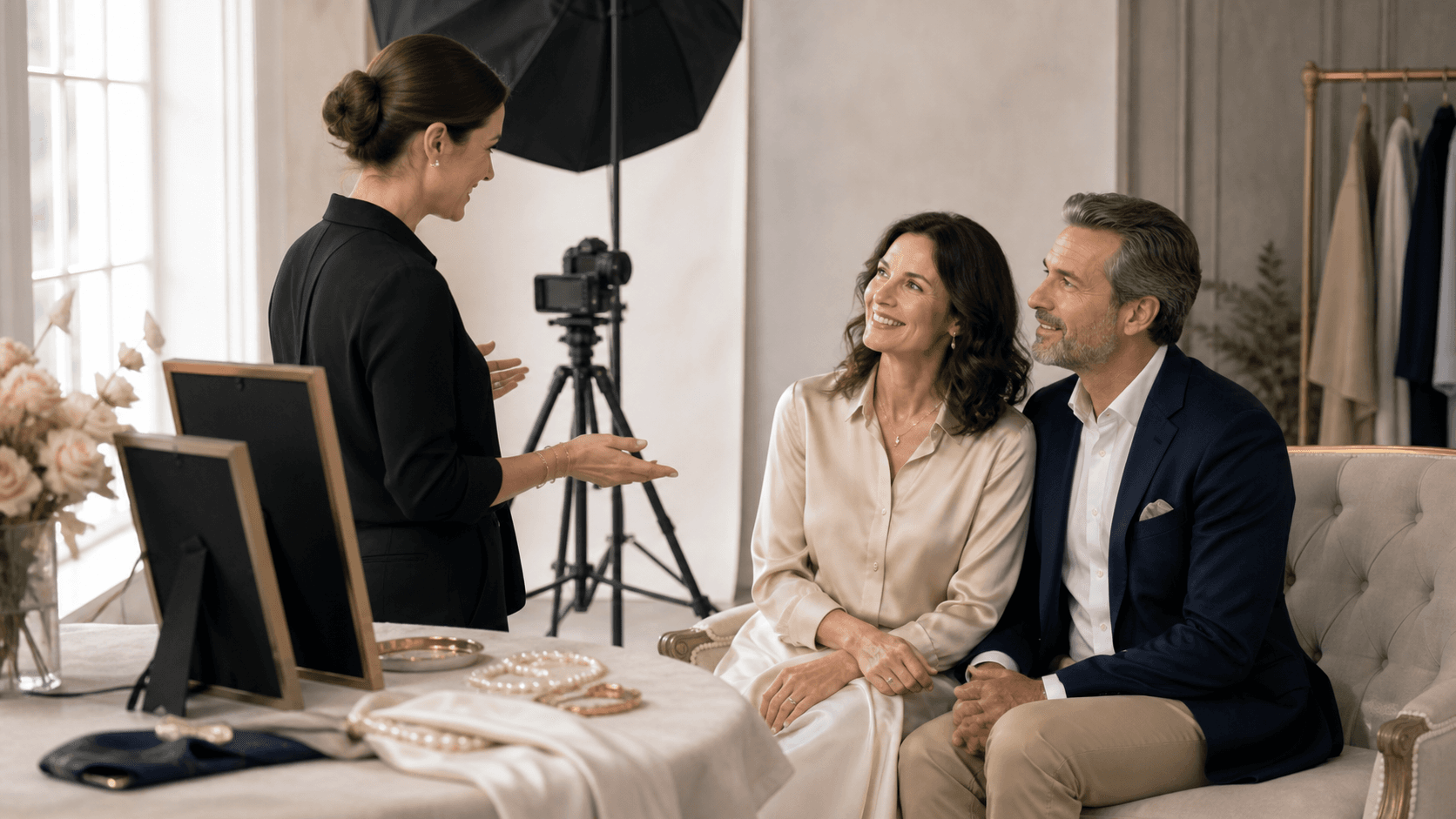
Studios that offer planning for artwork placement can be especially helpful. Talking through room sizes, wall height, and grouping ideas ahead of time makes it easier to choose portraits that fit the architecture of the home. This turns a single portrait session into the start of a thoughtful collection that can grow over the years, guided by an experienced, fine art-trained portrait artist.
Seasonal Moments Worthy of Heirloom Portraits
Late June in South Jersey brings long days, soft evening light, and rich greenery. It is a natural time for milestones like graduations, engagements, and extended family visits. The historic streets and tree-lined areas around Haddonfield offer classic backdrops that pair well with a fine art style.
Seasonal planning helps make sure the portraits are ready when they are most meaningful. Many families like to plan ahead for:
- Anniversaries and special relationship milestones
- Back-to-school portraits that feel a bit more grown up
- Artwork to share as gifts toward the end of the year
A professional portrait studio in Haddonfield will think carefully about how outdoor locations and indoor sets hold up as fine art. This includes watching how summer light shifts during the evening, choosing shaded spots for soft, flattering light, and making sure colors in clothing and surroundings stay refined. Whether indoors or outdoors, composition, posing, and materials still follow the same fine art standards so the final portraits feel like they belong in a personal gallery, not just on a seasonal card. Under the direction of a seasoned, fine art-trained portrait artist, each session is designed with heirloom quality in mind.
Transforming Walls Into a Personal Gallery
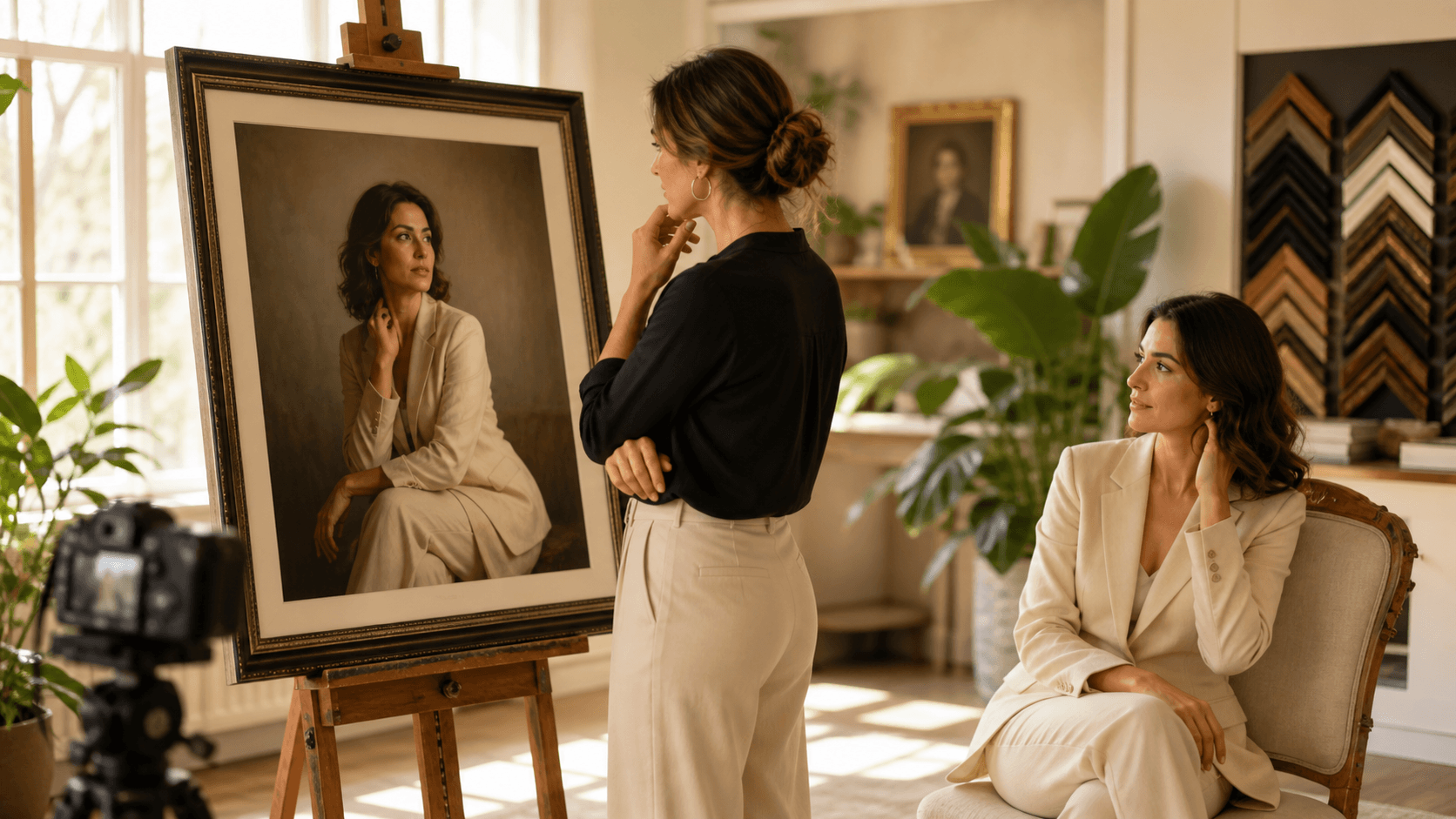
A home can feel like a private gallery when each portrait is chosen and placed with care. Staircases can hold a growing series that follows a family through different ages. A living room can feature one large signature piece that anchors the space. A study or office can display a confident professional portrait that still feels warm and inviting.
Working with a fine art-trained, seasoned portrait artist turns this into a long-term vision instead of a one-time project. Thoughtful conversations about which walls feel most important, what kind of mood suits each room, and how people hope to see their story evolve over time all help shape the artwork that is created. When museum-quality portraits are given this level of attention from a highly trained artist, they become more than decorations. They turn daily spaces into places of memory, pride, and connection, ready to be enjoyed now and passed down later.
Capture Your Best Professional Image With Confidence
If you are ready for portraits that reflect your expertise and personality, we are here to help you feel prepared, relaxed, and confident in front of the camera. At Colette Oswald Photography, we guide you through every step, from planning your look to selecting standout final images. Explore how our professional portrait studio in Haddonfield can support your brand and present you at your best on every platform. Let's schedule a session that gives you images you are proud to share.