How Studio Lighting Turns Portraits Into Fine Art
Studio lighting can turn a simple moment into artwork that feels rich and timeless. When light is shaped with care, faces look softer, eyes sparkle, and small details like eyelashes, hair, and fabric suddenly feel important. This is where a professional portrait studio in Haddonfield sets itself apart, by controlling every beam of light instead of leaving it up to chance.
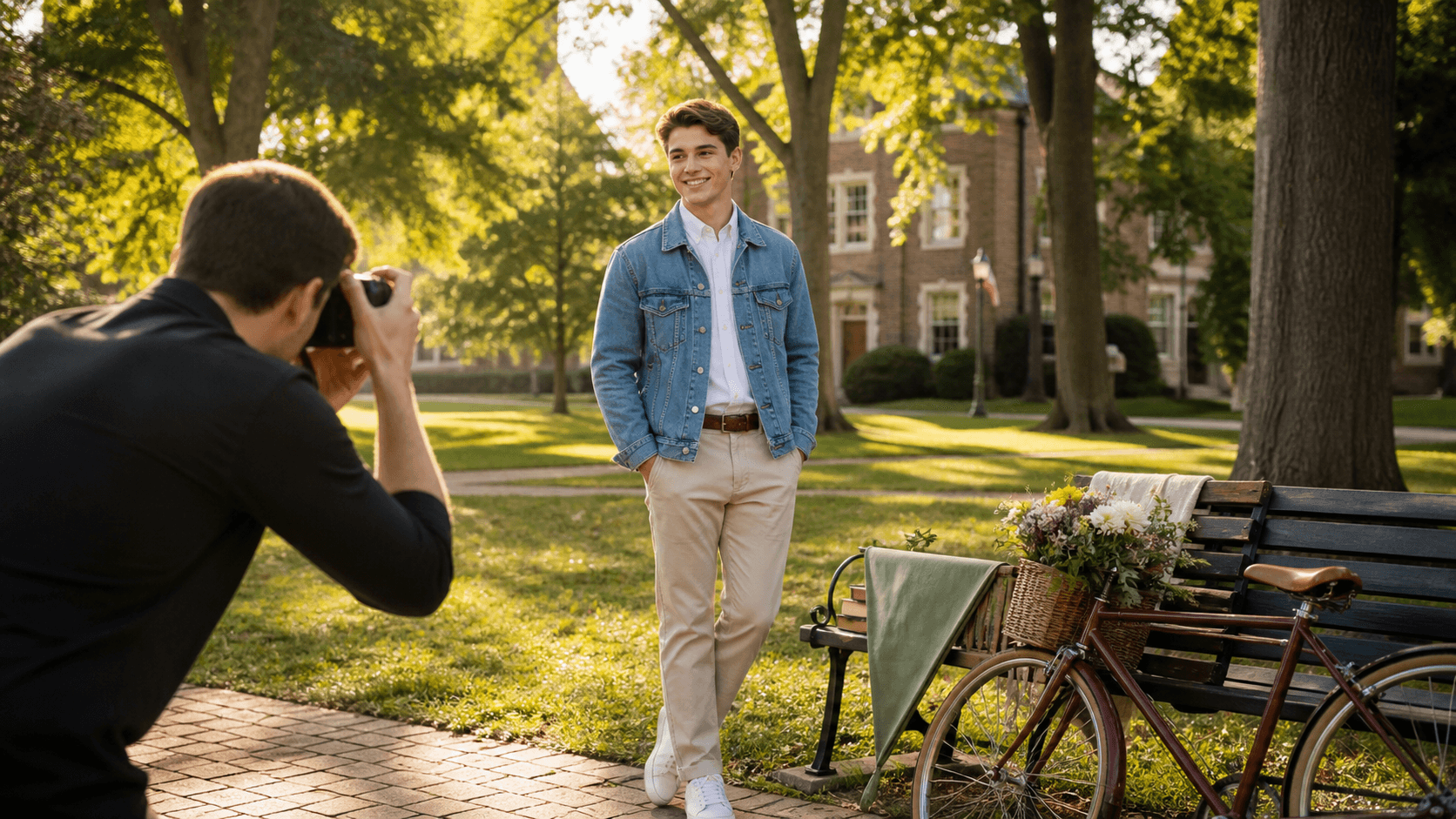
Fine-art inspired lighting is very different from a quick phone snapshot. On-camera flash tends to flatten everything, washing out depth and texture. In a portrait studio, light is placed off to the side, above, or behind the subject to create gentle shadows and painterly highlights. The result is depth and dimension that feel closer to a classic painting than a casual snapshot.
Behind those choices is a classically trained portrait artist who understands composition, chiaroscuro, and color harmony. Chiaroscuro is the way light and shadow work together to create shape and mood. Every lighting decision, from the direction of the key light to the softness of the shadows, is used to build a portrait that feels timeless instead of trendy.
Why a Fine-Art-Trained Portrait Artist Matters
Light does more than make a face visible. In the hands of a fine-art-trained portrait artist, light decides what the viewer notices first, which features are highlighted, and what emotion the image carries. It is not just about making someone brighter; it is about deciding what the portrait should say.
Classical art training teaches how light should fall on:
- Cheekbones, to gently sculpt the face
- Eyes, to draw focus and show emotion
- Lips and jawline, to flatter the profile
- Hands and posture, to support the mood of the pose
Traditional studies of painting and sculpture also build a deep understanding of anatomy and proportion. When an artist has spent time studying how natural light moves across skin, fabric, and hair, it becomes second nature to recreate that feeling in the studio. Soft transitions from light to shadow feel natural, not harsh, so portraits feel like art, not just pictures.
A seasoned portrait artist does more than set up a light and press a button. Every setup is a way to tell a story about personality and connection. The angle of light can make someone look bold and strong, or warm and gentle. For family portraits, romantic images, or professional branding, that control over mood is what makes custom artwork stand apart from standard studio images.
Mastering Light for Family and Newborn Portraits
Family and newborn portraits call for light that is kind. Soft, diffused lighting creates a calm and peaceful atmosphere, which is especially important when little ones are involved. It keeps tiny details like eyelashes, baby fuzz, and small fingers visible without any harshness.
In a portrait studio in Haddonfield, lighting is carefully adjusted to flatter every age in the frame. Subtle top and side lighting can:
- Slim and sculpt the face
- Smooth the look of skin
- Keep attention on eyes and expressions
- Gently separate subjects from the background
For newborns and young children, the light is often lower in contrast, with large softboxes or bounced light used to wrap the baby in a warm glow. Parents and siblings are lit in a way that supports that softness, so the entire portrait feels gentle and connected.
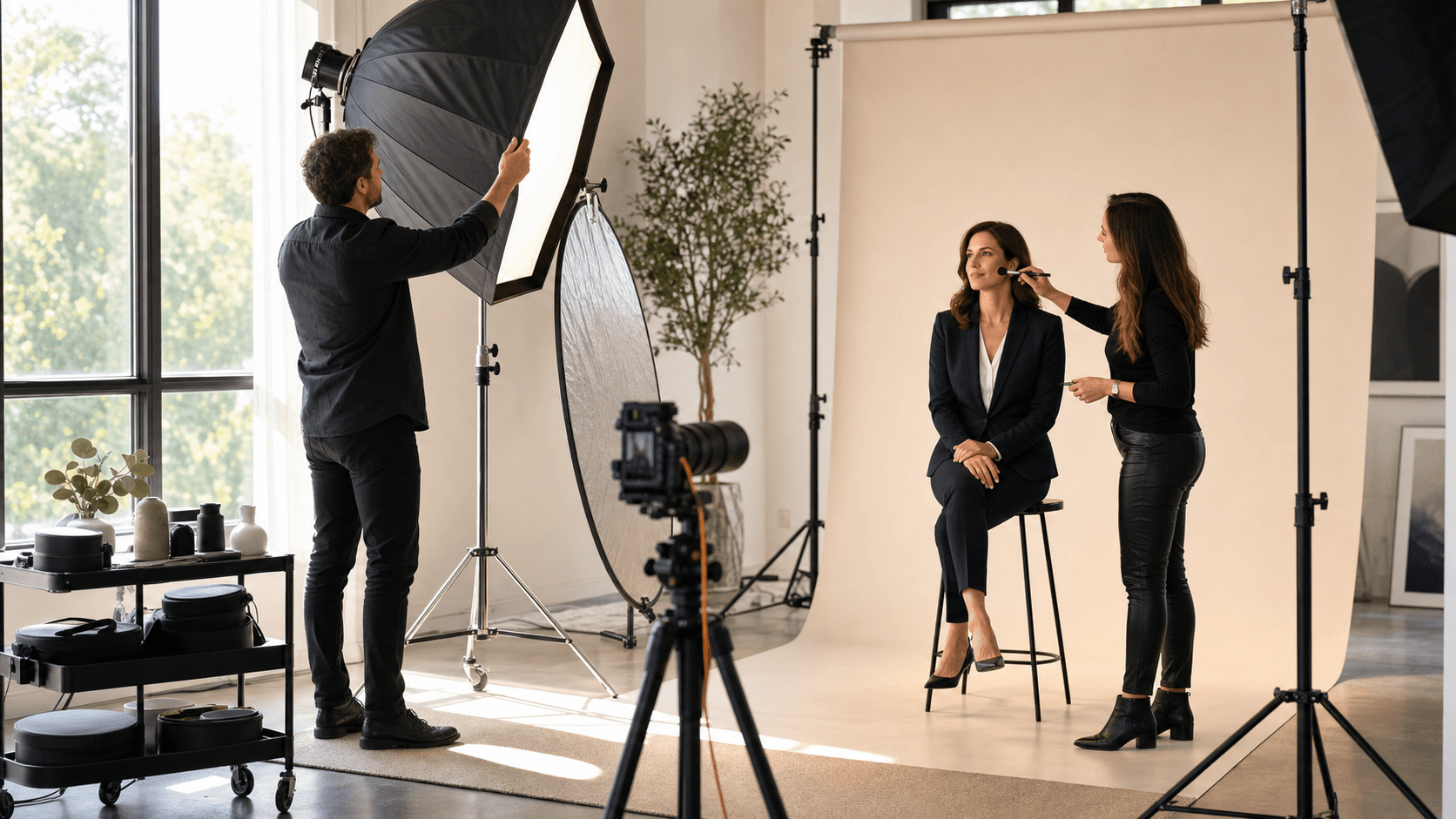
When lighting family groups, layered lighting is key. A primary key light creates the main shape on the faces. A fill light softens shadows so no one disappears into darkness. Background lighting can be added to keep clothing and hair from blending into the backdrop, while still holding onto a fine-art, painterly mood. The goal is for everyone to be evenly lit, eyes are crisp, and skin tones look natural, without losing the depth and emotion that make the image feel special.
Sculpting Drama in Boudoir, Maternity, and Seniors
Some sessions call for more drama. Boudoir, maternity, and senior portraits often benefit from stronger shadow and more directional light. Here, the lighting does not just flatter, it sculpts.
In boudoir portraits, low-key lighting and deeper shadows can:
- Highlight curves in a tasteful way
- Reveal textures like lace and silk
- Create elegant silhouettes
- Add mystery while keeping the mood refined
Maternity portraits often use rim and side lighting to outline the baby bump and flowing fabrics. The light can skim along the edges of the body, tracing shape and movement. Soft yet dramatic light celebrates form and femininity, giving the images a sense of grace and strength.
Senior portraits are a perfect place to blend fine-art training with a bit more flair. Studio lighting might include:
- A focused spotlight for a bold, dramatic look
- Colored gels on background lights for modern style
- Controlled contrast to keep skin flattering and expressions clear
Even with creative choices, a classically trained eye keeps everything balanced. Angles are still flattering, highlights are placed with care, and shadows support the overall feel instead of overpowering it. The result is a portrait that feels both current and timeless.
Precision Lighting for Professional Headshots and Branding
Headshots and branding portraits call for clarity, confidence, and polish. Lighting for these sessions is designed to show the face clearly, smooth skin gently, and brighten the eyes. The key light is placed to avoid heavy shadows under the eyes or nose, while still giving the face shape and presence.
A seasoned portrait artist tailors lighting to each person and profession. For example:
- Softer, open light for friendly, welcoming service professionals
- Slightly stronger contrast for creatives or executives who want a bold look
- Clean, neutral backgrounds that keep focus on the subject
Subtle background lighting and controlled shadows help professional portraits stand out from quick, generic headshots. A gentle gradient or halo of light behind the subject can separate them from the backdrop and give an image a polished look that holds up well on websites, social media, and print materials.
These choices are not random. Every small adjustment of distance, height, and intensity shapes how a viewer reads the expression and posture. That level of care is what sets a professional portrait studio in Haddonfield apart in a crowded market.
Seasonal Studio Lighting Magic for Spring and Summer
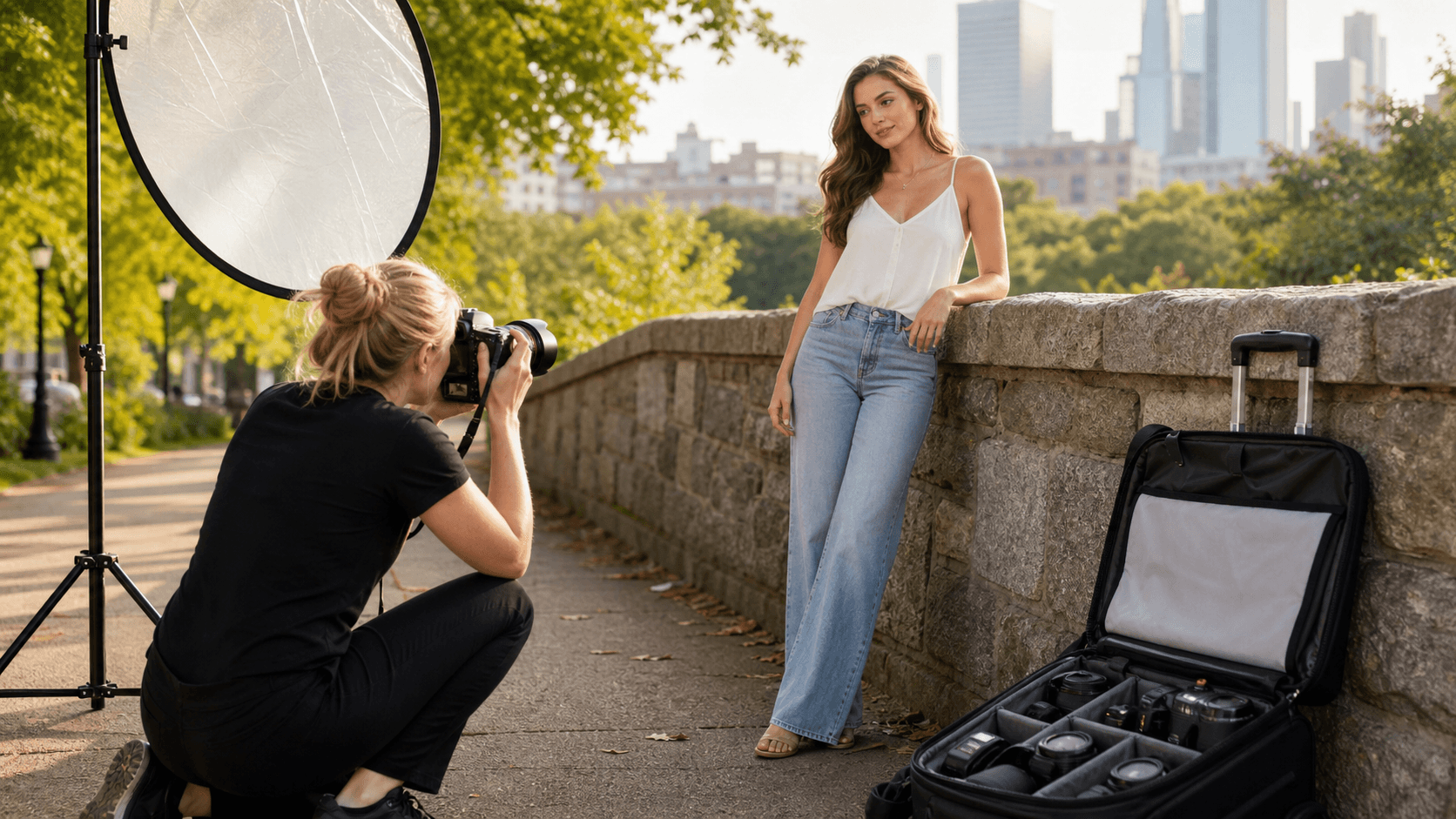
As days grow brighter in spring and summer, many people think about fresh portraits. Studio lighting can echo the feeling of this lighter season, while staying fully controlled and comfortable. Instead of dealing with harsh midday sun or sudden clouds, a studio can create the look of soft window light or a glowing evening just by adjusting modifiers and color temperature.
For warmer months, an artist might choose:
- Light, airy backgrounds to feel fresh and open
- Slightly warmer tones to mimic late afternoon sunshine
- Softer contrast that suits pastel outfits and floral details
Graduation and milestone sessions pair beautifully with this style. The light can be crisp enough to show detail in gowns, suits, or special outfits, while still wrapping the subject in a flattering glow. Families who want spring portraits can enjoy bright, cheerful lighting without squinting or dealing with wind and humidity.
Seasonal styling is reflected in both the background choices and the way light is balanced. Short bursts of stronger highlight can suggest sunshine on hair or shoulders. Cooler or warmer settings on the lights can echo the feel of a fresh morning or a soft evening. All of this is done in a controlled setting so the focus stays on expression, connection, and the story the portrait is meant to tell.
Experience Fine Art Lighting at Colette Oswald Photography
Fine-art inspired lighting is both a science and an art, and it shows in every type of session. Family and newborn portraits feel calm and tender, boudoir and maternity images carry tasteful drama, senior portraits balance style and sophistication, and professional headshots present each person with clarity and confidence. Behind it all is a classically trained portrait artist who understands how to shape light so that portraits feel like custom artwork meant to be treasured for years.
Get Started With Your Project Today
If you are ready for portraits that reflect your professionalism and personality, we are here to help at Colette Oswald Photography. Share your goals, and we will guide you through a simple, collaborative planning process so you feel comfortable and confident in front of the camera. Start by exploring our professional portrait studio in Haddonfield and discover how we can create images that support your brand and career. Let us help you create portraits you are proud to share.