Heirloom Portraits That Outlive Trends
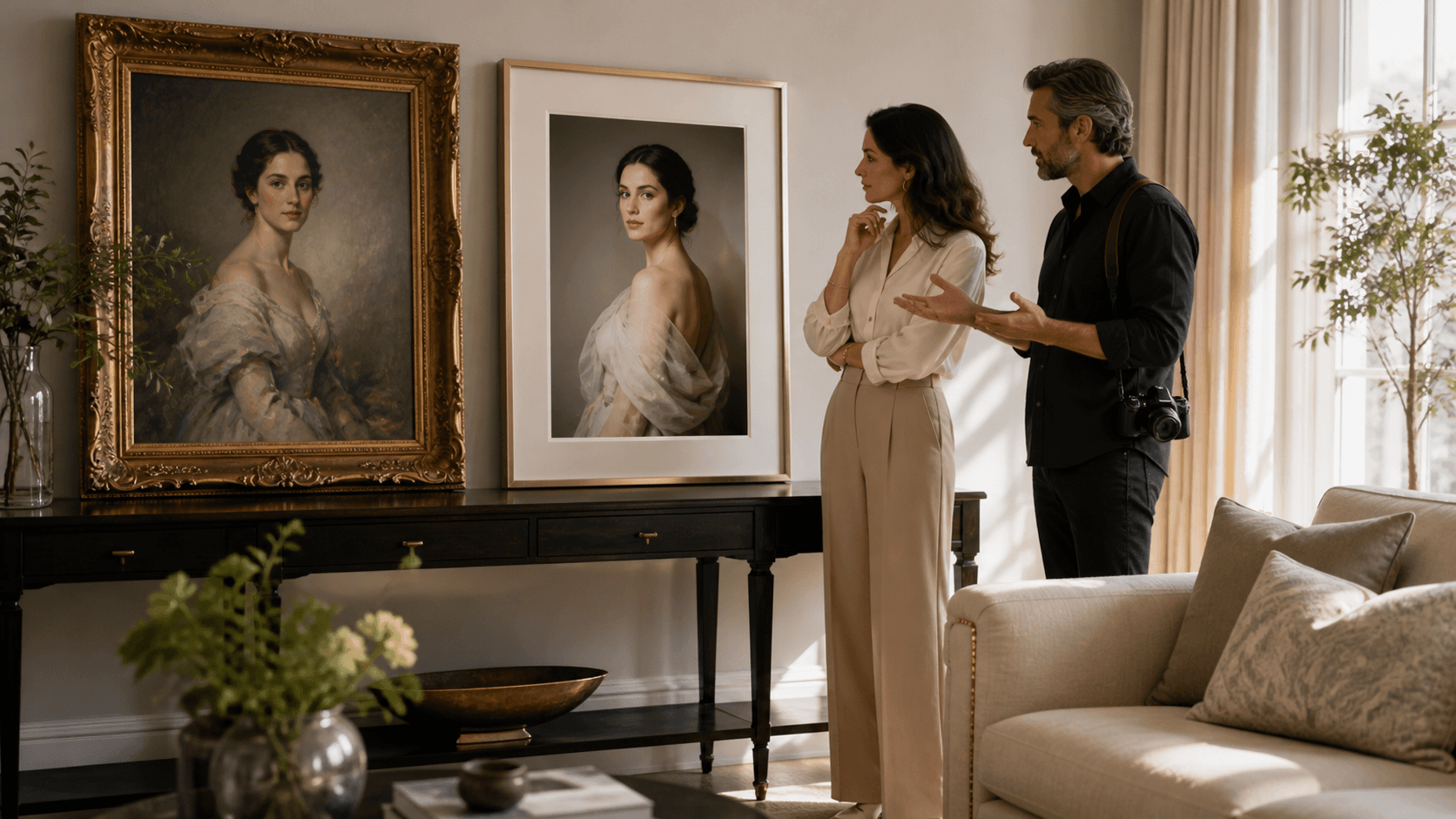
Choosing how to tell a family or professional story on the wall is a big decision. A portrait is not just a picture; it is something future generations will study, remember and feel. That is why many people pause before deciding between a painted portrait and fine-art photography. Both can become true heirlooms when created by a skilled portrait commission artist.
Late fall and early winter are a natural time to think about this. Homes feel cozier, days are shorter, and people spend more time indoors, noticing empty walls or outdated pieces. An heirloom portrait, whether painted or photographic, stands apart from casual snapshots because it is created with:
- Longevity in mind, using archival materials
- Careful craftsmanship, from first concept to final frame
- Emotional depth that still feels true decades from now
The medium, and the artist who creates it, shape how that story is told. A fine-art trained portrait artist understands composition, light and materials so the finished work feels timeless, not trendy. That foundation is what turns a commission into museum-quality art instead of a simple likeness.
How Painted Portraits and Fine-Art Photography Differ
Painted portraits and fine-art photography share the same goal, but the path to get there looks different.
For a hand-painted portrait, the process often includes:
- Planning conversations about mood, setting and clothing
- Sketches or studies to explore pose and composition
- Sittings, reference images and artist-led adjustments
- Layers of paint built over time, with room for refinements
Fine-art photographic portraits follow a different rhythm:
- Pre-session design to plan wardrobe, background and style
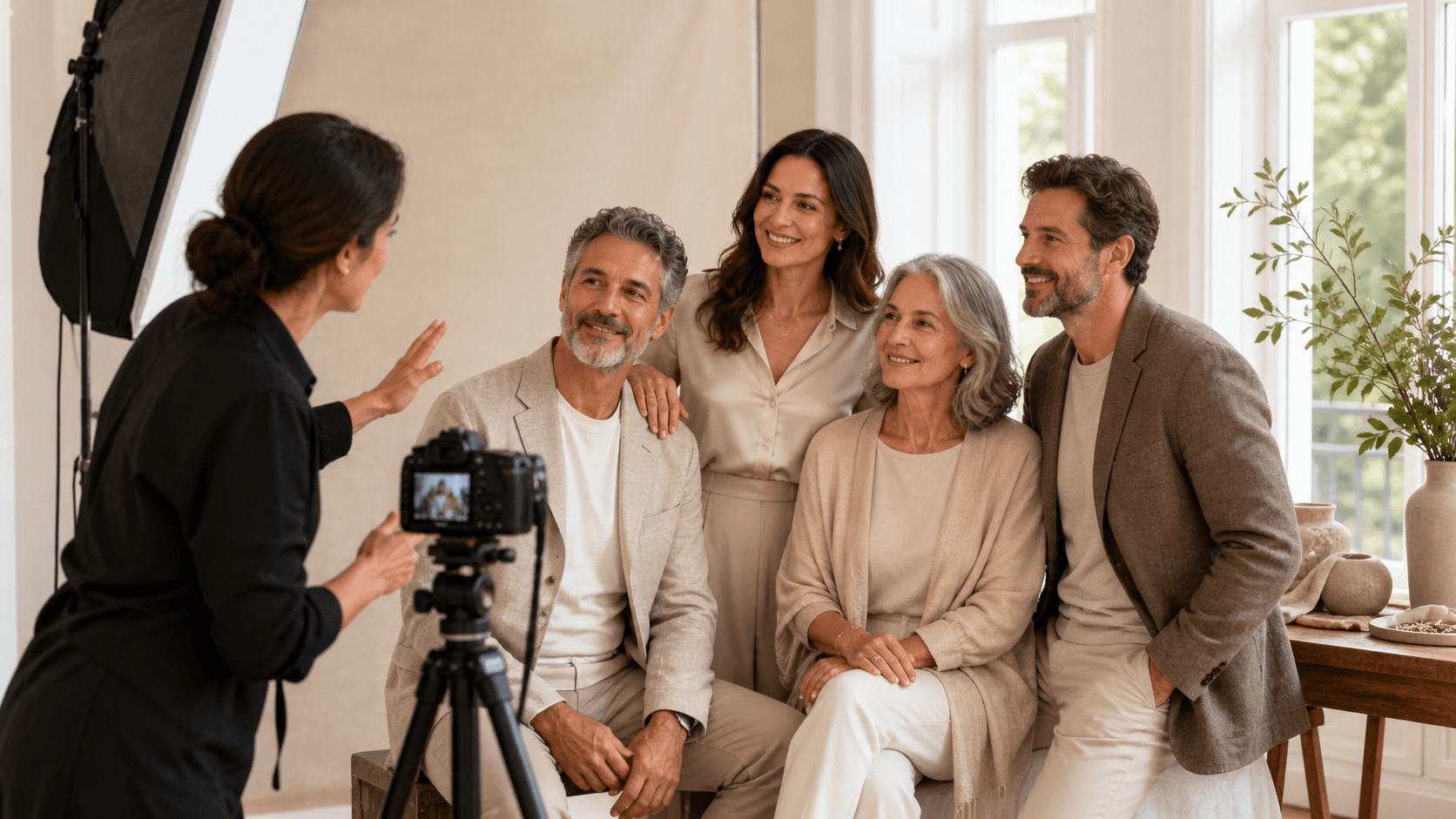
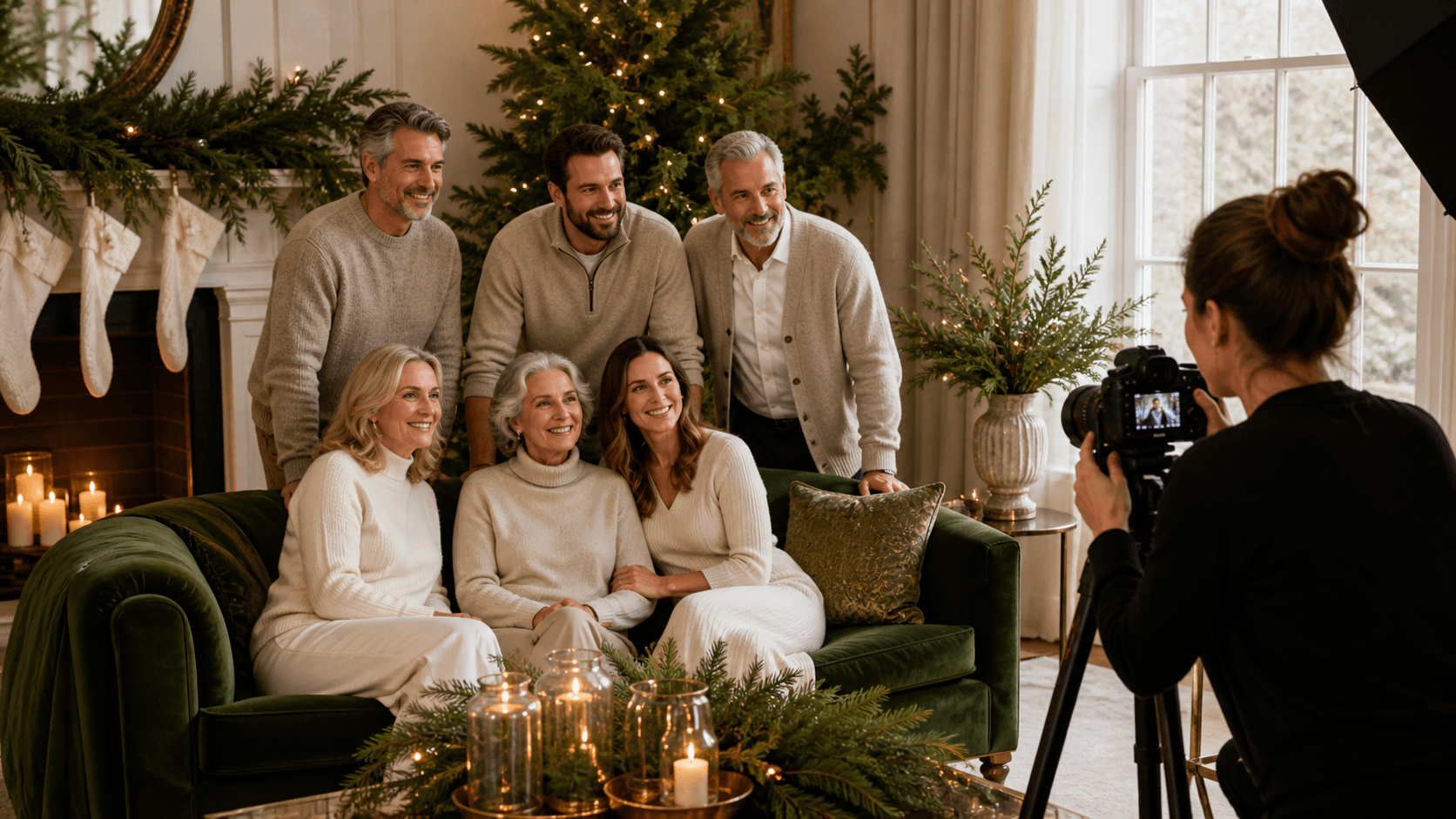
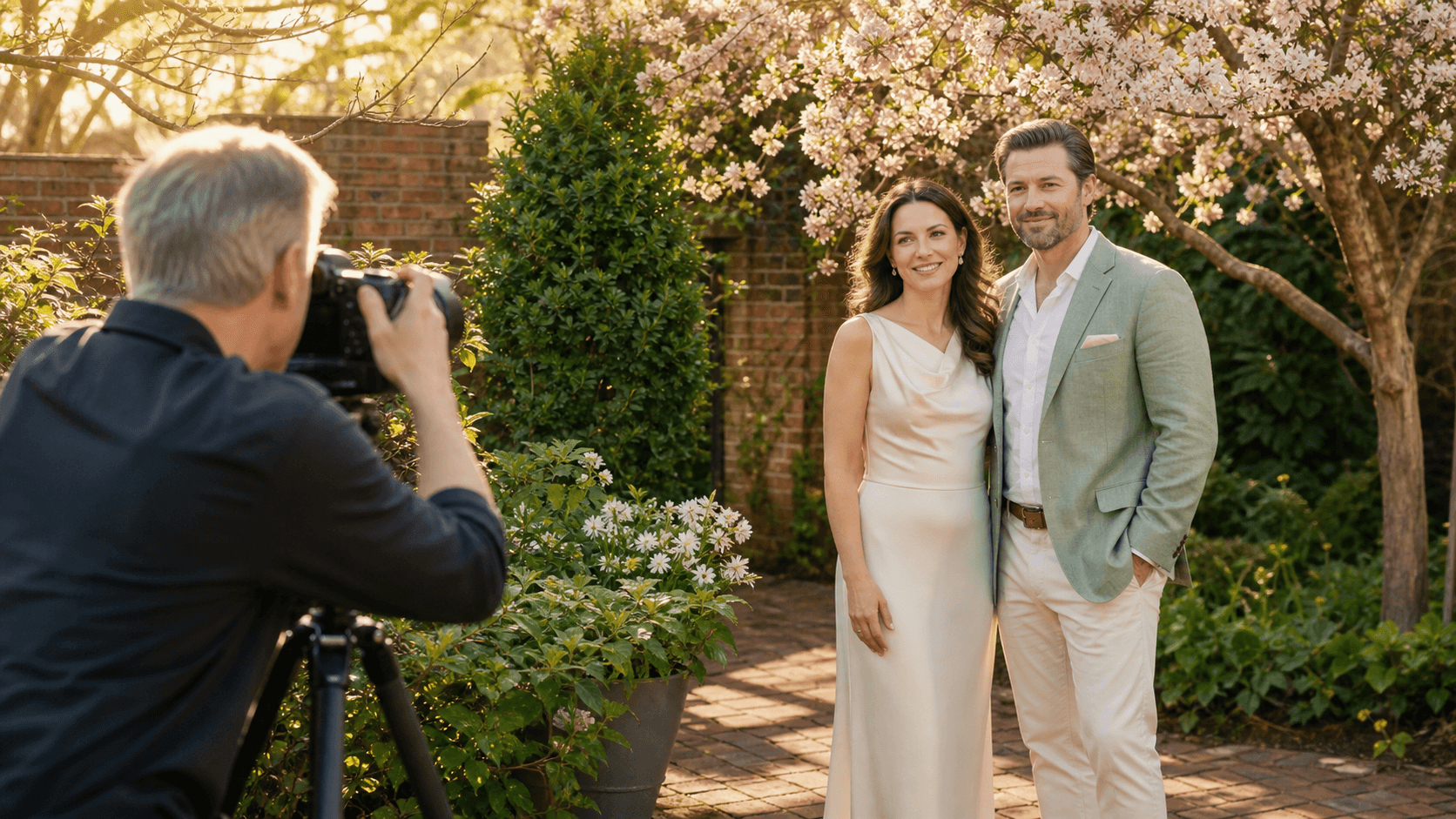
- A fully guided session, often in studio or on location
- Careful selection of the strongest images
- Refined retouching and design of finished prints or framed pieces
Paintings usually require a longer timeline from commission to completion. Fine-art photography can often be finished on a shorter schedule, but still needs time for editing, printing and framing. Planning ahead for holidays, graduations or anniversaries keeps the process calm instead of rushed.
Style and mood are also distinct. Painting is naturally interpretive. The artist can:
- Idealize or soften features while keeping a strong likeness
- Adjust color and light to unify different people across ages
- Bring together subjects who were never in the same room
Fine-art photography leans into realism, capturing:
- Fleeting expressions and gestures
- The way light falls on skin, fabric and hair
- A sense of presence, as if the subject is right there
A fine-art trained photographer often uses painterly lighting, careful posing and classic composition, so the work has the grace of a painting with the immediacy of a photograph.
Scale and placement are practical points that matter more than many people expect. Large painted canvases often feel at home in formal dining rooms, entries, staircases, libraries or executive offices. Fine-art photographs work beautifully in:
- Hallway galleries or mixed wall groupings
- Family rooms and informal living areas
- Modern offices or studios
During darker months, wall space and sightlines become very clear, because people see their interiors under soft, steady light. This is an ideal time to think through where a portrait will live before deciding on size and medium.
Working with a Portrait Commission Artist Trained in Fine Arts
The artist behind the work matters as much as the medium. Classical fine-art training includes close study of anatomy, light, color and composition. That background helps in both painting and photography, because the artist understands:
- How light carves out form and flatters the face
- How color choices affect mood and harmony in a room
- How to pose bodies in natural, graceful ways
This kind of training leads to portraits that feel honest but flattering, not overly edited or trendy. The goal is a likeness that would still feel right if it were hanging in a historic home or museum.
A seasoned portrait commission artist also reads personality and relationships. Small details of body language, eye contact and spacing say a lot about:
- A child's curiosity or quiet strength
- The bond between siblings or generations
- The presence of a professional leader
Pre-session or pre-sitting consultations are where this story begins. These conversations help clarify whether the focus is:
- Honoring family heritage
- Marking a professional milestone
- Celebrating a rite of passage
When choosing an artist, it helps to look for:
- A consistent style across ages, body types and group sizes
- Confident control of light, whether natural or studio
- Emotional depth, not just pretty faces
Studio visits can also be helpful. Seeing finished canvases and framed photographic work in person gives a clear sense of print quality, color, surface texture and framing options that are meant to last.
Key Questions to Ask Before Investing in an Heirloom Portrait
Before committing to a painted or photographic commission, thoughtful questions guide the process.
Questions about artistic vision and process:
- How do you approach posing and expression so people look like themselves at their best?
- How do you plan the style of the portrait to fit the room it will hang in?
- How many planning meetings or wardrobe consultations are included?
Questions about craftsmanship and archival quality:
- What canvas, paints or photographic papers do you use?
- How do you protect color and surface from fading or damage over time?
- Do you offer museum-quality framing and finishes that are ready to hang?
Questions about timing and long-term plans:
- What is the typical timeline from first meeting to finished artwork?
- How is the process structured from session or sitting through to framed art?
- Can future pieces be designed to coordinate, so a portrait collection can grow over time?
These conversations help ensure the final work fits both the subject and the space, and that it will age gracefully as a true heirloom.
Choosing the Right Medium for Your Legacy
Painted portraits often feel right for formal legacy pieces, multi-generational panels or traditional interiors. The slow, layered method of painting supports a sense of ceremony and history.
Fine-art photography shines in modern homes, lifestyle-focused portraits and environmental images that show favorite places in South Jersey and Philadelphia. The realism of a photographic portrait can feel especially moving when a loved one is captured at a specific stage of life.
Personality and comfort also play a role. Thoughtful or tradition-minded subjects may be drawn to the formality of having a painting created. Others feel more relaxed in a guided photographic session in studio or on location, where the portrait commission artist directs gently and keeps the experience comfortable.
Many families and professionals choose both mediums over time. Painted works might anchor a formal room or office, while fine-art photographs add warmth to everyday living areas or hallway galleries. Planning commissions season by season allows a portrait collection to grow with:
- New children or grandchildren
- Academic and professional milestones
- Shifts in home or office spaces
Taken together, the right mix of painted and photographic portraits becomes a visual record of a life, or a family line, that future generations can stand in front of and feel connected to.
Get Started With Your Project Today
If you are ready to turn your favorite moments into artwork you can enjoy every day, we are here to help. At Colette Oswald Photography, we listen closely to your story so your portraits feel genuine and personal. Learn how working with a dedicated portrait commission artist can bring your vision to life with care and intention. Reach out today so we can start planning a portrait session that feels comfortable, relaxed, and truly you.