Preserve Your Family Legacy in Museum-Quality Portraits
A museum-quality portrait is more than a pretty picture. It is a permanent record of how a family looks, feels, and connects in a specific season of life, carefully crafted to be passed down and enjoyed for generations.
Late fall often feels like a natural time to think about legacy. Families gather, grown children come home, and milestones are fresh on everyone's mind. That is why many people choose this time of year to commission heirloom portraits that will become the centerpiece of a living room, hallway, or office. Instead of a quick photo session that lives on a phone, a commissioned portrait is planned from the start as finished artwork on paper or canvas.
A museum-quality heirloom portrait is designed to hold a multigenerational story. Grandparents, parents, and children can be represented in a way that feels timeless and grounded, with every detail considered. Working with a fine-art-trained portrait commission artist means the process begins with the end in mind, so the final piece feels at home on the wall and in the family history.
Why a Fine Art-Trained Portrait Artist Matters
Not every photographer approaches a portrait as artwork. A portrait commission artist with a fine art background thinks like a painter, even when working with a camera. Classical training shapes every choice, from how people are arranged in the frame to how color, light, and shadow are used.
This background shows up in ways that may feel small in the moment but make a big difference on the wall:
- Composition that leads the eye to the most important relationships
- Color palettes that flatter skin tones and work with home interiors
- Lighting borrowed from traditional portrait painting, with soft modeling and depth
- Posing that feels natural, dignified, and grounded in each person's personality
A seasoned portrait artist sees beyond flattering smiles. Subtle shifts in chin angle, hand placement, or the distance between two people can tell a deeper story about connection, confidence, or quiet strength. This is what makes a commissioned portrait feel honest instead of posed.
For families and professionals in South Jersey and Philadelphia, that means artwork that looks at home alongside other meaningful pieces. The portrait feels timeless rather than trendy, with a sense of weight and presence that suits both classic Haddonfield homes and sleek city spaces.
From Concept to Commissioned Artwork on the Wall
A museum-quality portrait begins long before anyone steps in front of the camera. The process starts with a detailed conversation about who will be photographed and where the finished piece will live. The goal is to treat the future artwork as part of the home from the very start.
During this planning stage, a portrait commission artist will ask questions such as:
- Which room will feature the portrait, and what are the wall dimensions?
- Is the artwork meant to feel formal or relaxed?
- Should it stand alone or be part of a series or gallery wall?
- What colors and textures already exist in the space?
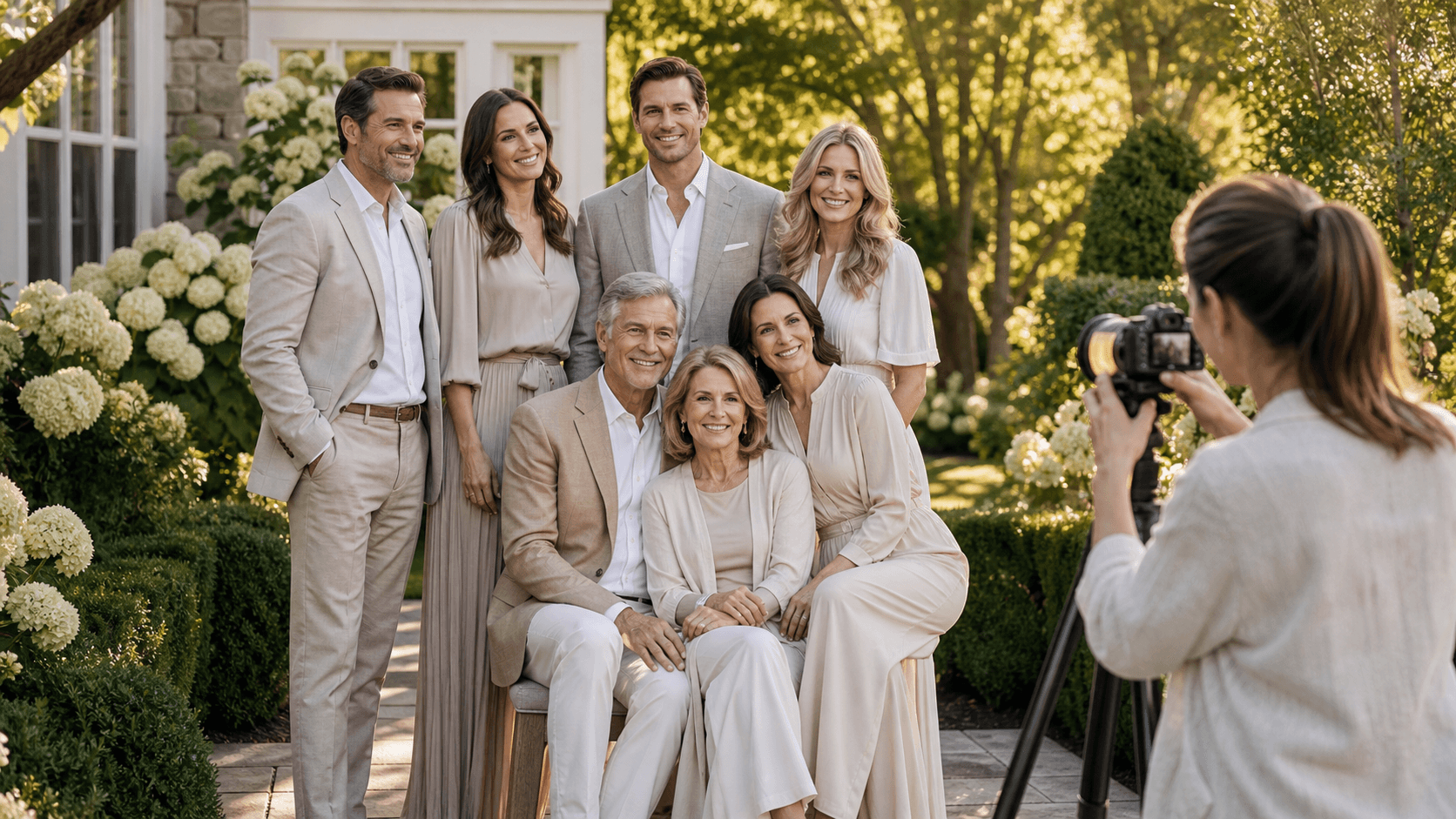
With those answers, the session is then shaped with purpose. Lighting is designed around each subject's features and the mood of the final piece. Backgrounds are chosen to support, not distract, and clothing guidance is given so the group looks polished without feeling stiff.
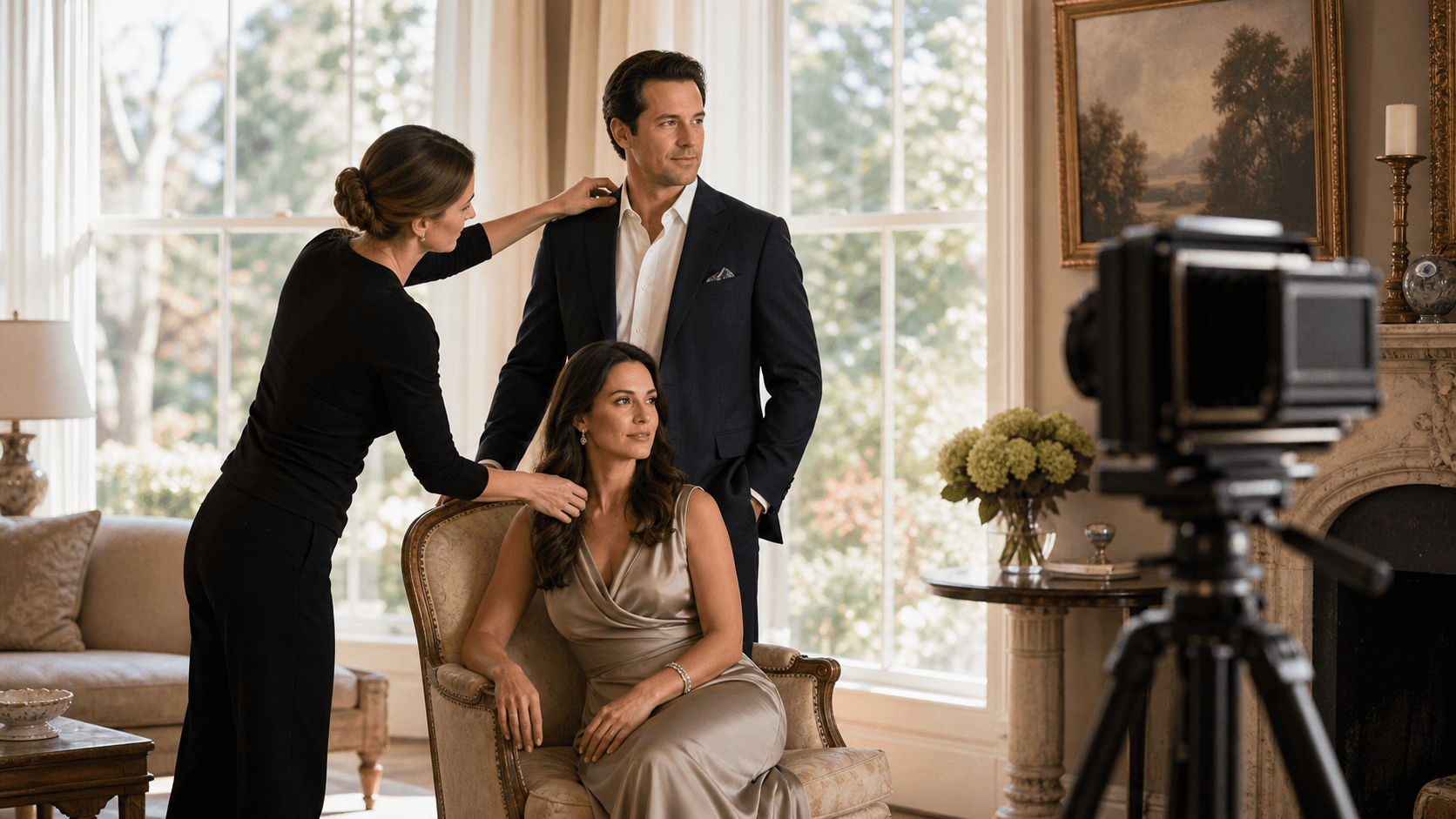
The portrait session itself is guided and calm. Subjects are directed into poses that feel comfortable and natural, with adjustments for posture, angles, and expression. Careful attention is given to hands, shoulders, and eye lines so everyone looks connected and at ease.
Afterward, a selection and design appointment turns many images into a clear plan. The artist helps narrow the choices to the most powerful portraits, then works through:
- Ideal sizes based on wall measurements and viewing distance
- Orientation and cropping that support the story and space
- Single statement pieces versus multi-piece groupings
- Finishing options that match the home's style and lighting conditions
The result is not just a stack of images to figure out later, but a complete, ready-to-hang work of art.
Archival Printing, Framing, and Varnishing Essentials
When a portrait is meant to last for generations, materials matter. "Archival" is a word used often, but in fine art portrait work, it has a very specific meaning. It refers to museum-grade papers and canvases, pigment-based inks, and tested materials that are made to hold color and detail over many decades under normal display conditions.
An archival approach usually includes:
- Fine art paper or canvas designed for longevity
- Pigment inks that resist fading far better than standard dyes
- Backing and mounting that support the artwork without damaging it
- Careful handling during every step of production
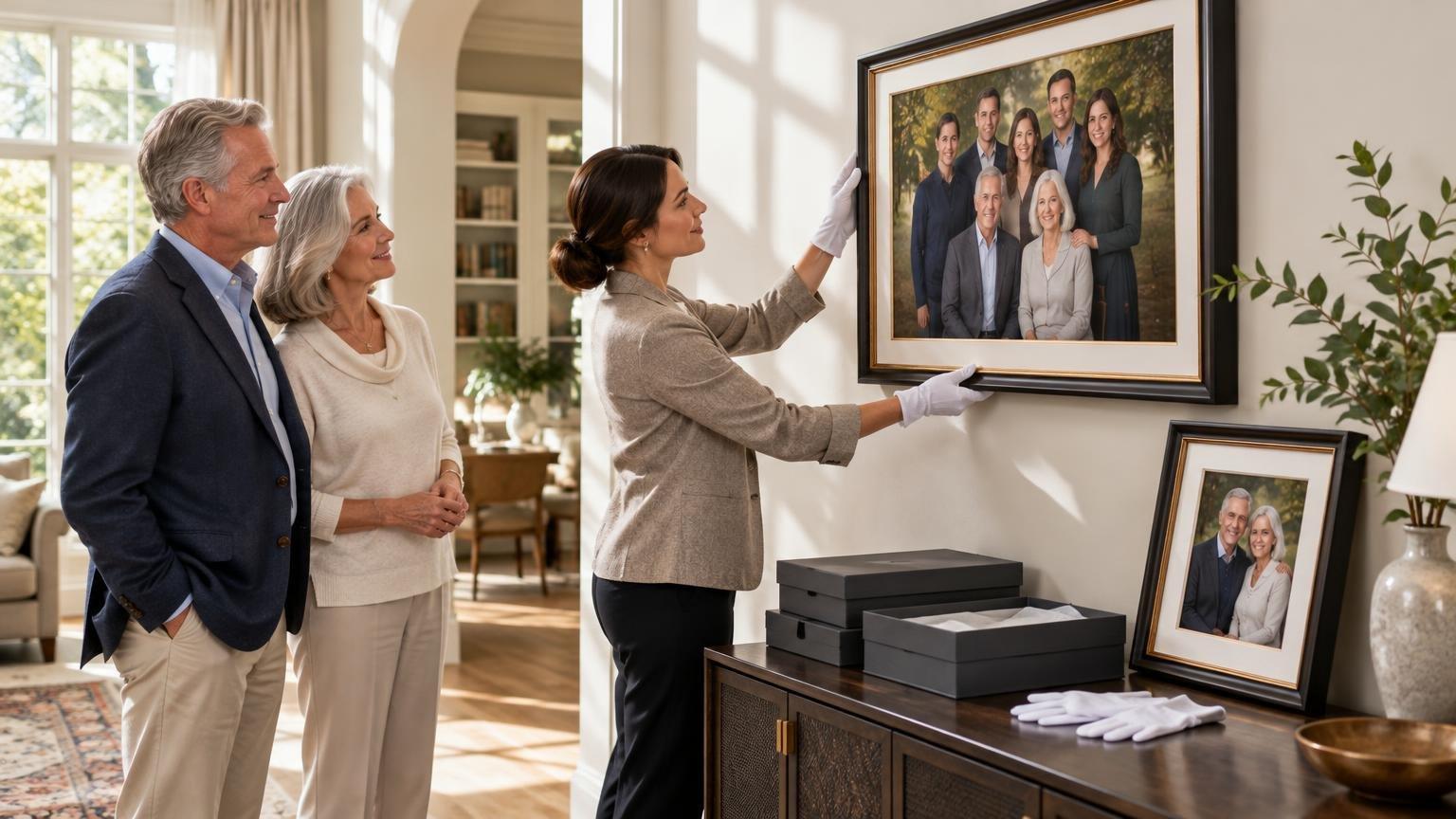
Custom framing plays a major role in preservation. Professional framing goes far beyond picking a pretty frame. A conservation-minded framer will use acid-free mats and backing so the artwork does not yellow over time. Conservation glazing can help protect against UV light and reduce glare, which is especially helpful in bright rooms.
Thoughtful framing also supports the physical weight of the piece, protects the edges of the paper or canvas, and suits the architecture around it. A traditional Haddonfield Colonial might call for a classic wood profile, while a contemporary Philadelphia townhome might work best with a clean, simple frame.
For canvas portraits and some fine art prints, a protective varnish can be applied. This varnish helps:
- Guard against dust, surface scuffs, and light handling
- Deepen contrast and color for a richer viewing experience
- Reduce reflections in rooms with many windows or overhead lights
When applied professionally, varnish adds both protection and visual depth.
Lighting and Long-Term Care for Heirloom Portraits
Even the most carefully crafted portrait benefits from thoughtful display and care. Lighting is often the missing piece that takes a portrait from "nice" to "stunning" on the wall.
Soft, indirect lighting is ideal. Many homeowners choose:
- Adjustable wall sconces aimed slightly downward
- Picture lights that wash the surface evenly
- Recessed lighting angled to avoid harsh reflections
Direct, harsh sunlight should be avoided as much as possible. Over many years, strong sun can speed up fading, even on archival materials. Placing portraits on walls that receive softer or indirect light is a simple way to protect them.
Long-term care is mostly about gentle, consistent habits. A few helpful guidelines:
- Dust frames lightly with a soft, dry cloth, avoiding sprays directly on the artwork
- Keep portraits in rooms with stable temperature and humidity
- Avoid hanging over radiators, fireplaces, or in very damp spaces
- Ask the studio for guidance before any cleaning that involves moisture or solvents
In the Northeast, winter heating can dry the air, and summer humidity can rise. Extreme shifts in moisture can cause frames to warp or mats to ripple over time. Displaying portraits away from direct heat sources and out of overly damp areas helps maintain the structure of frames, mats, and backing.
Commission Your Winter Heirloom Portrait Now
Late fall and winter are a natural time to gather everyone together, which makes them ideal for planning a portrait that includes multiple generations or busy professionals. When a portrait is created with archival processes from capture through final installation, it is designed to look as beautiful for future family members as it does on the day it is hung.
A seasoned fine-art-trained portrait commission artist brings painting-level thought to every step, from posing and expression to printing, framing, and long-term care. One well-planned piece can transform a blank wall into the heart of a home or office, telling a story that lasts long after seasons change.
Get Started With Your Project Today
If you are ready to turn meaningful moments into lasting artwork, we are here to help bring your vision to life. As a dedicated portrait commission artist, Colette Oswald Photography collaborates with you to design portraits that feel personal, timeless, and true to your story. Share your ideas, preferences, and the people you love, and we will guide you through each step of the process. Reach out today so we can begin planning a portrait you will be proud to pass down.